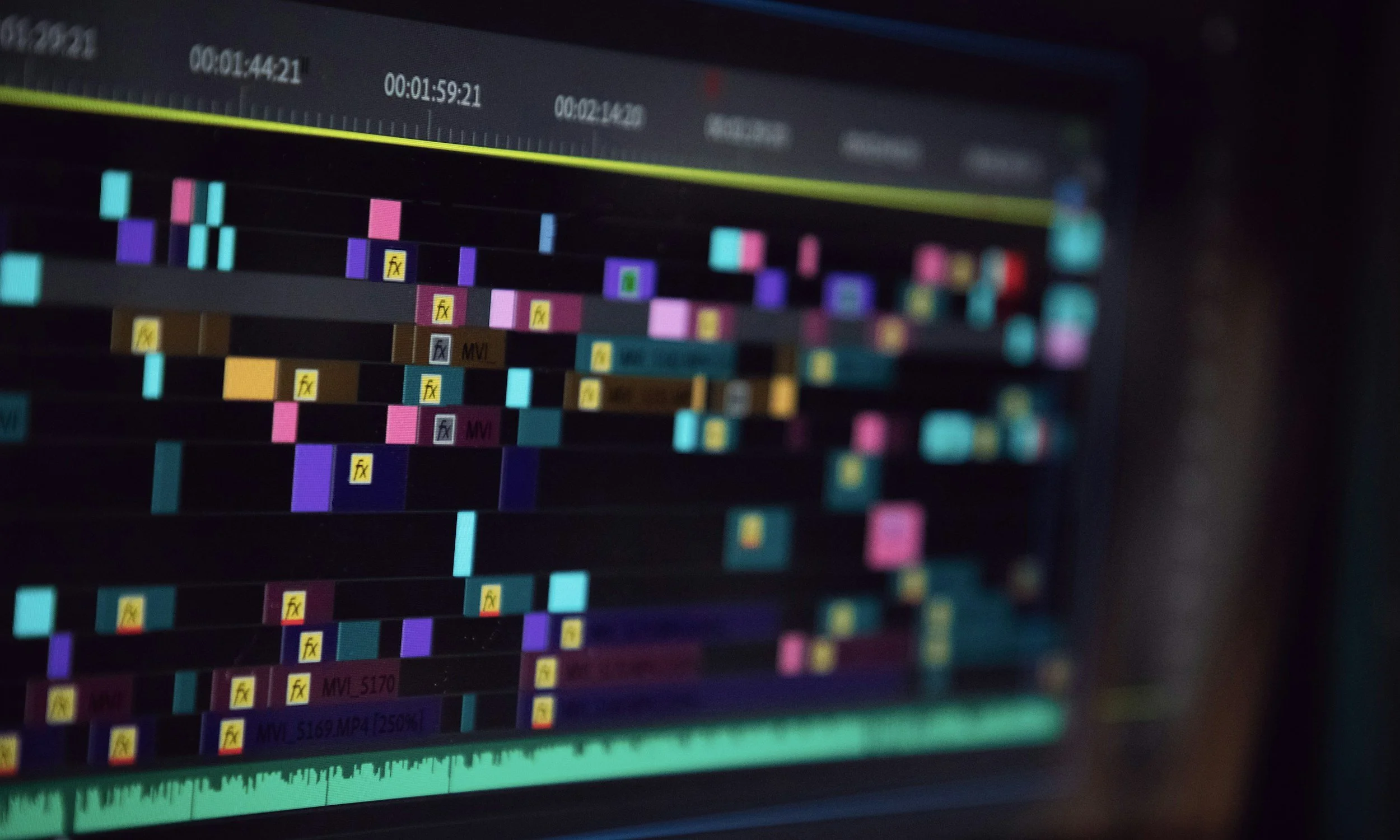
A selection of narrative films and digital work across directing and editing. Each project reflects a different approach to story, rhythm, performance, and visual language.
A look into my work
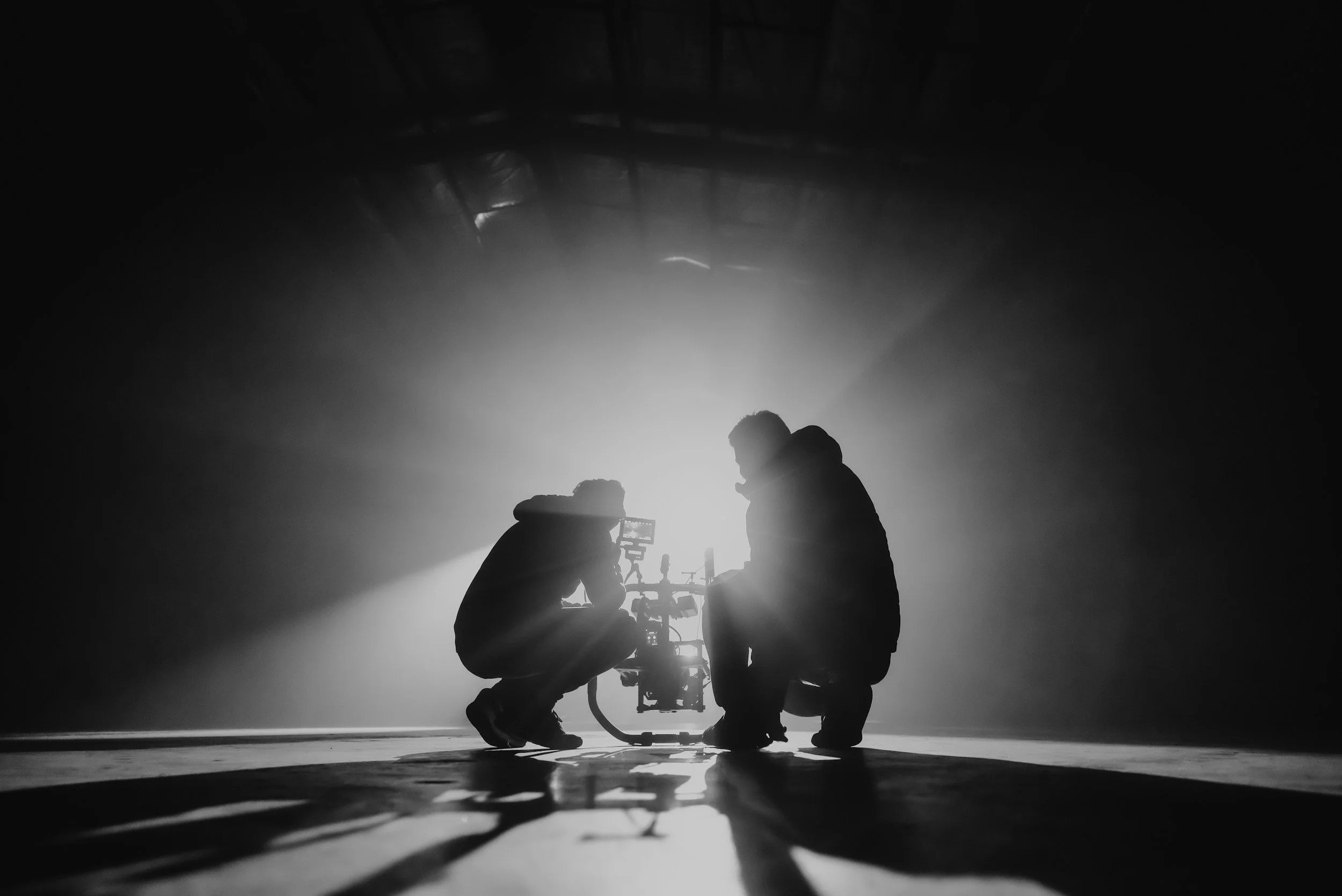
Directing
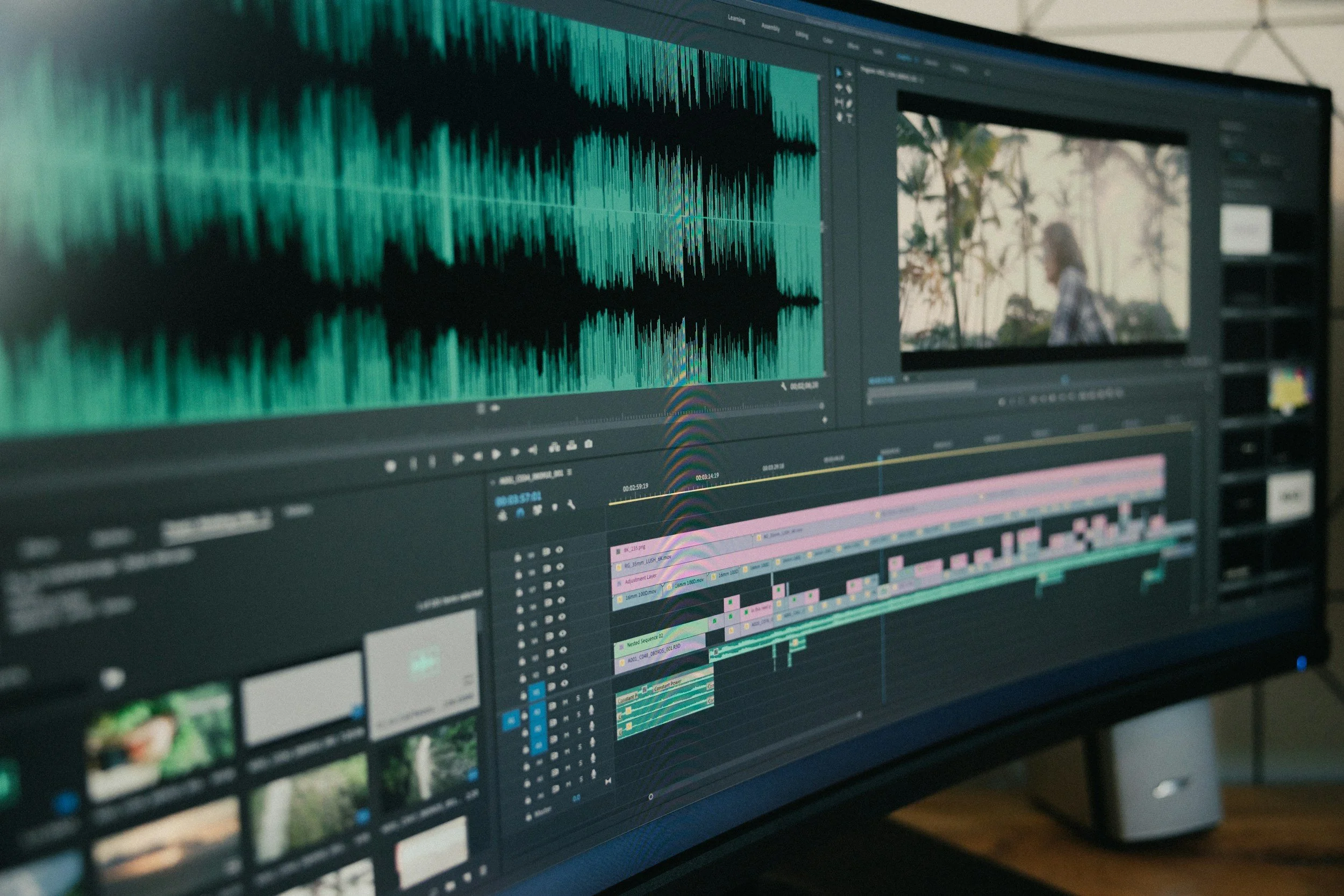
Editing
Film Projects
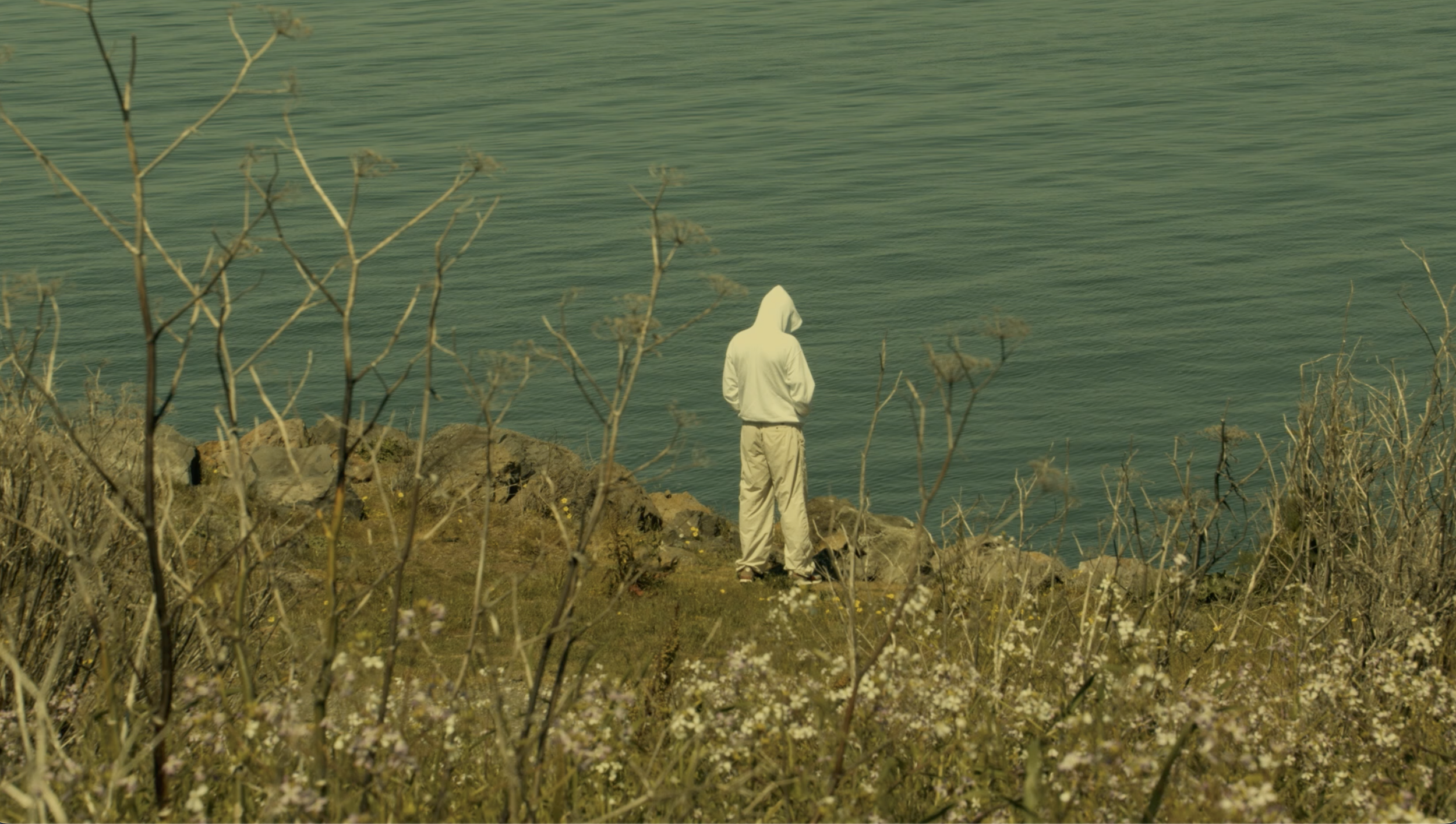
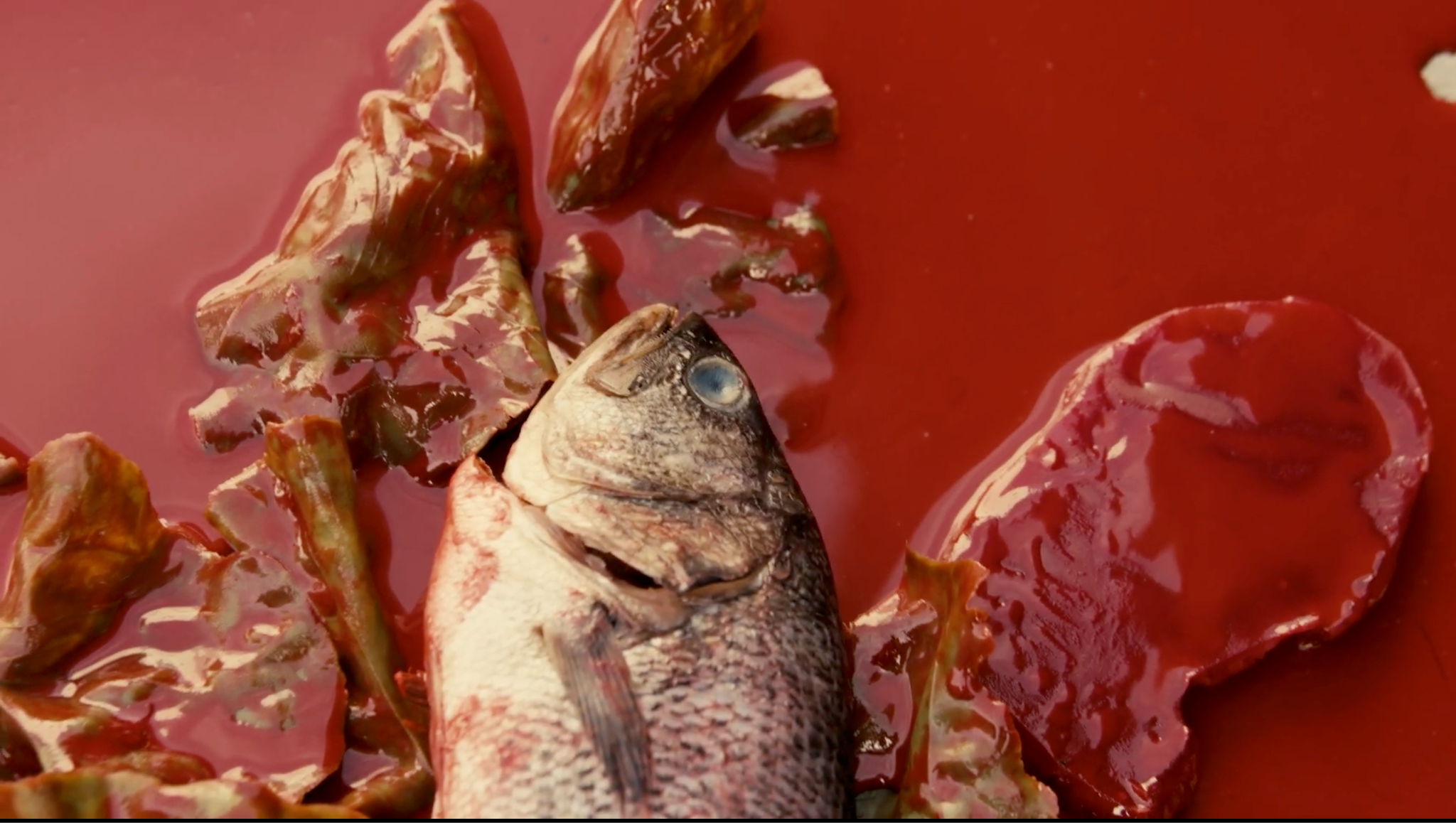
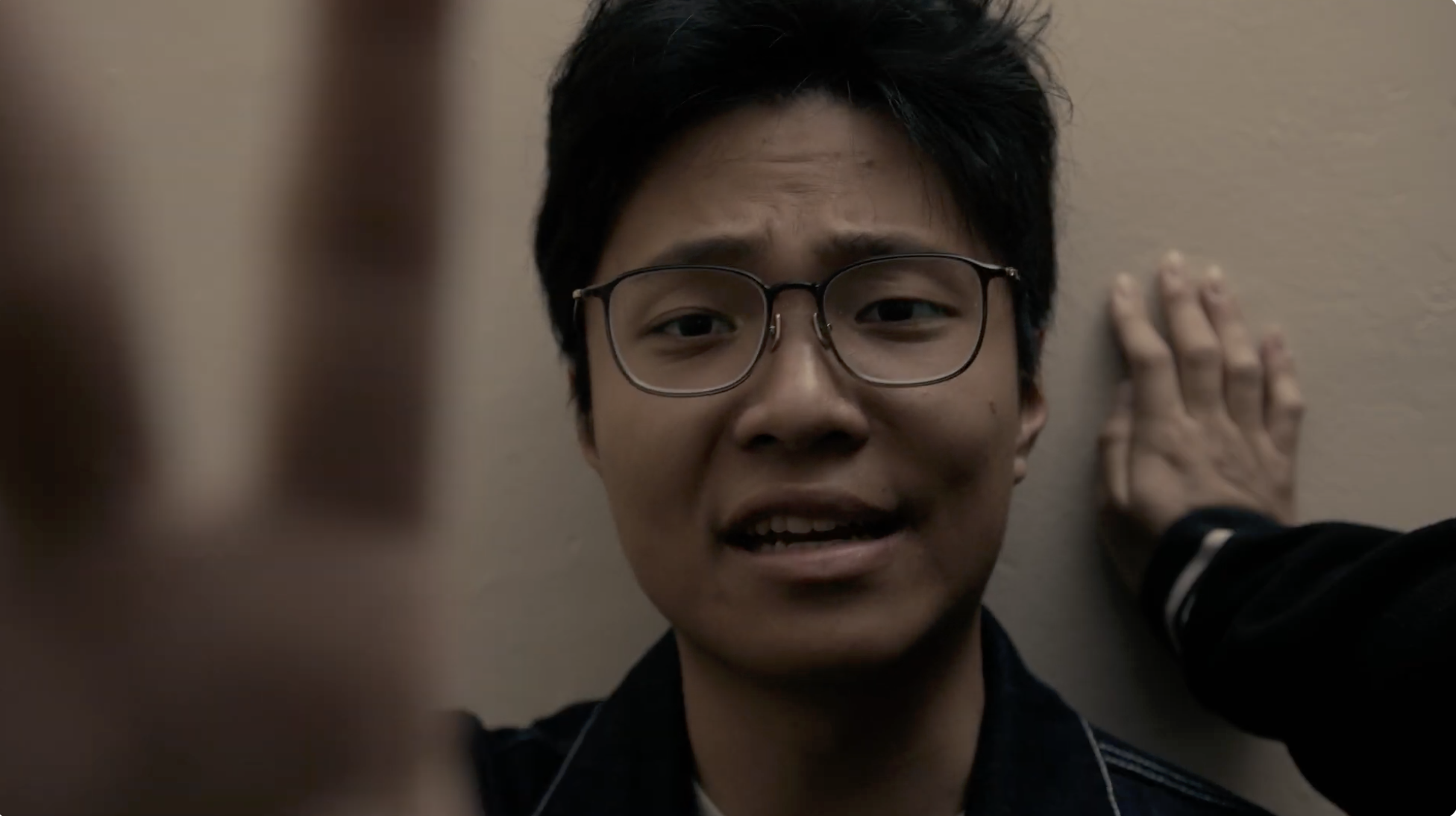
Director/Writer/Editor; Total Runtime: 14:45
An absurdist story about a college graduate who mistakenly believes that a key and a rotten fish can reveal the meaning of his life.
Used visual design, symbolism, and editing to deliberately restructure to the film’s seemingly illogical narrative.
Explores how people construct imagined realities to cope with emotional distress, and how those realities begin to dictate their actions.
5441: A Red Herring Odyssey
(2025)
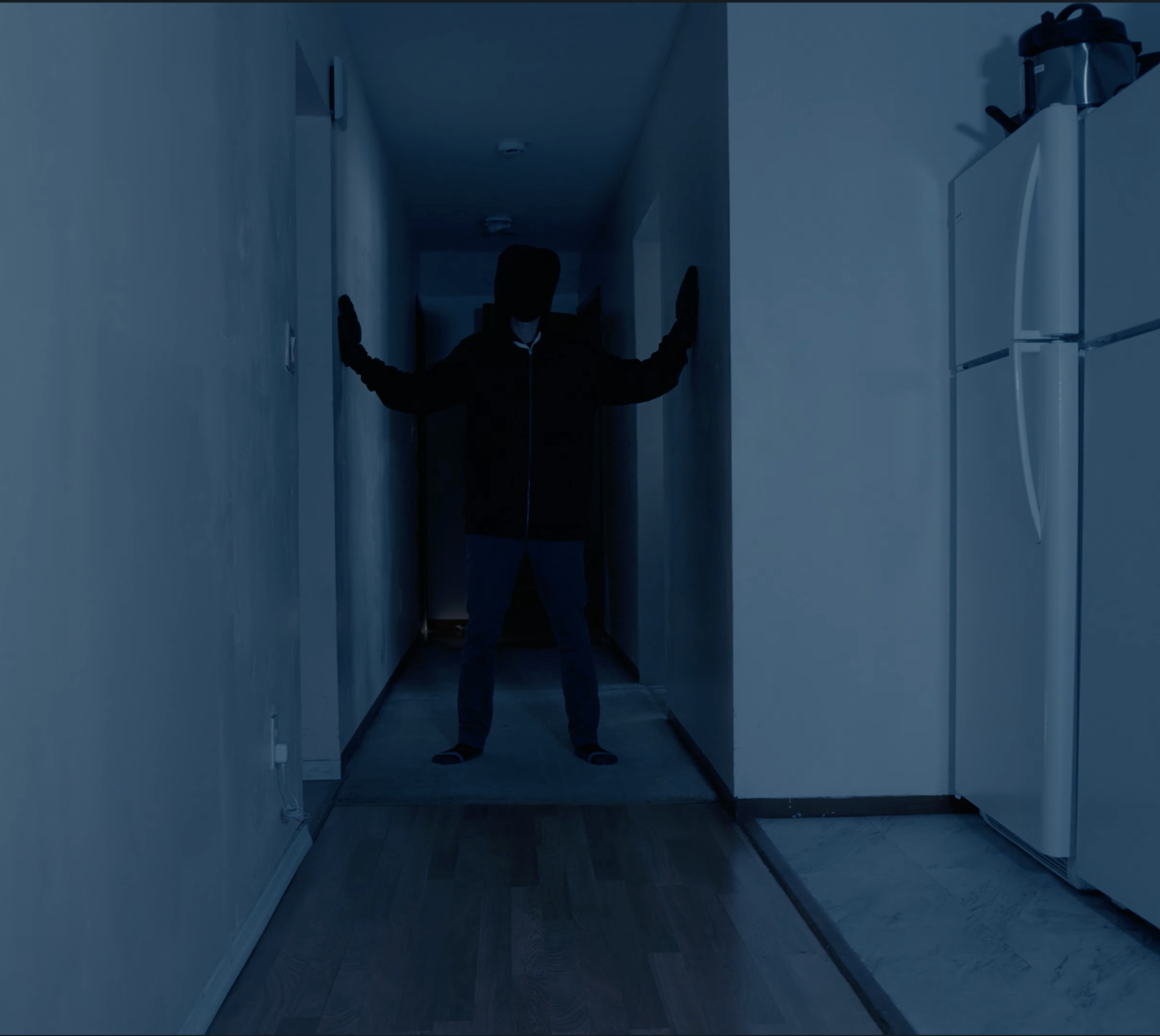
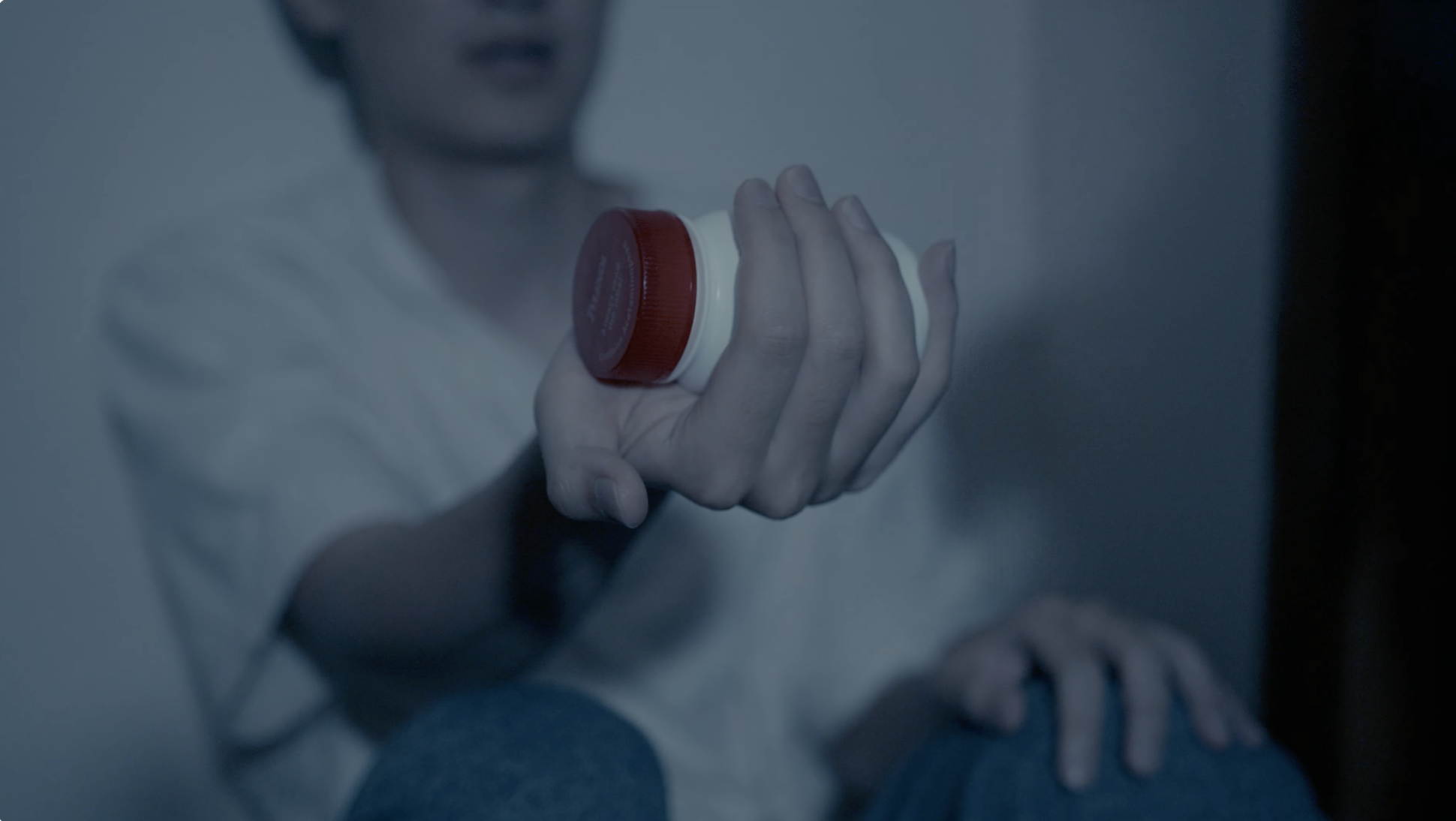
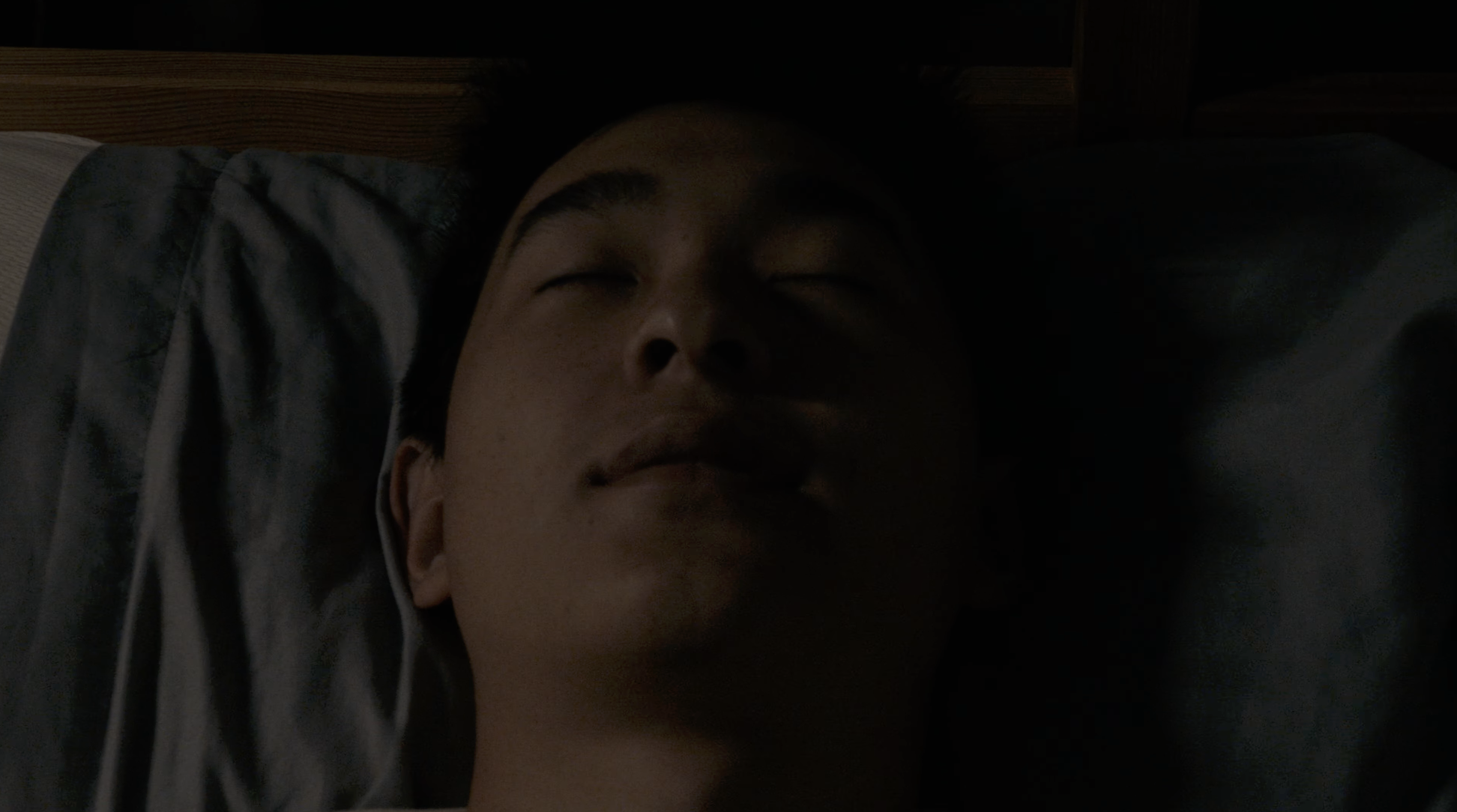
Director/Writer/Editor; Total Runtime: 1:00
A darkly comic portrayal of a person’s istress of insomnia.
Reworked an initial horror concept into an unexpected dark comedy: the ghost dances and gives the protagonist a sleeping pill instead of killing him.
The design of abrupt tonal shift create a comic payoff while preserving the unease and paranoia of a sleepless night.
Midnight Snacks
(2024)
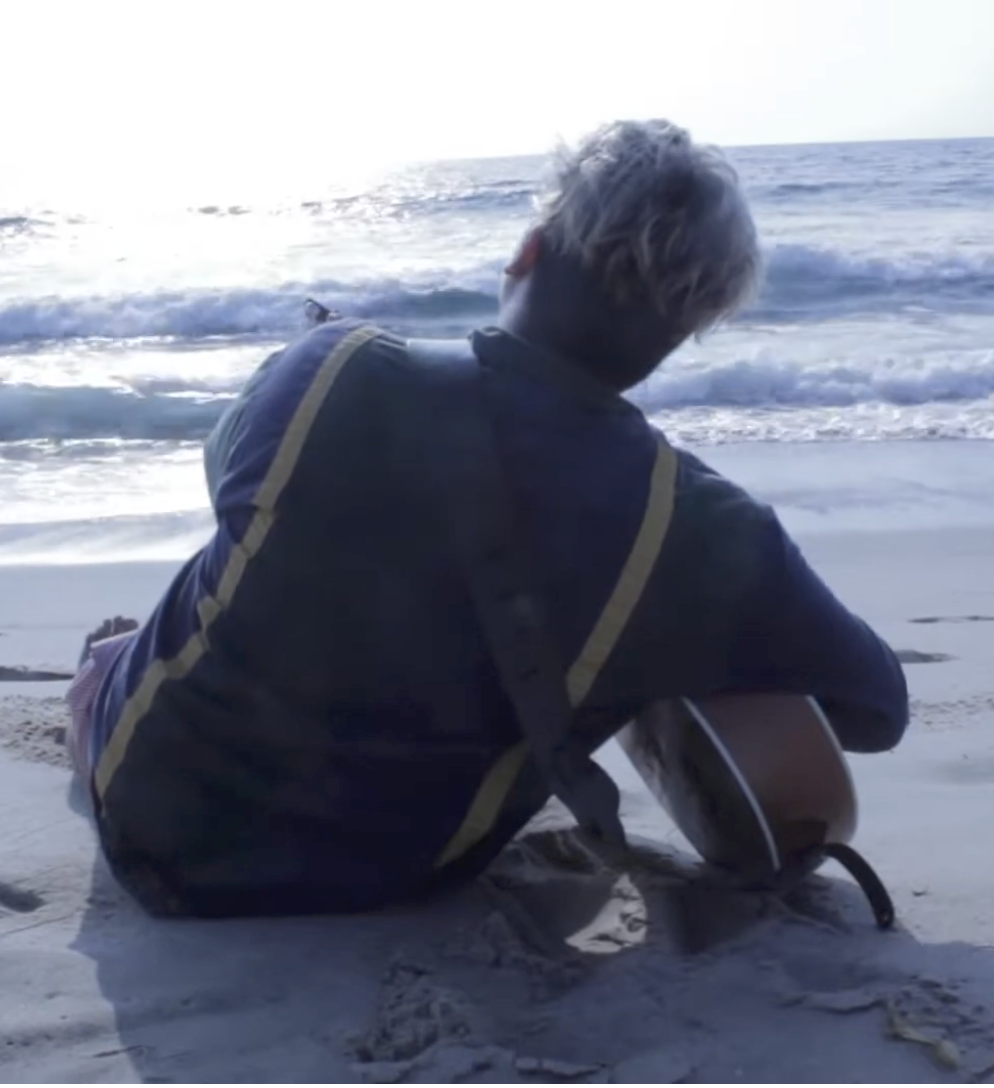
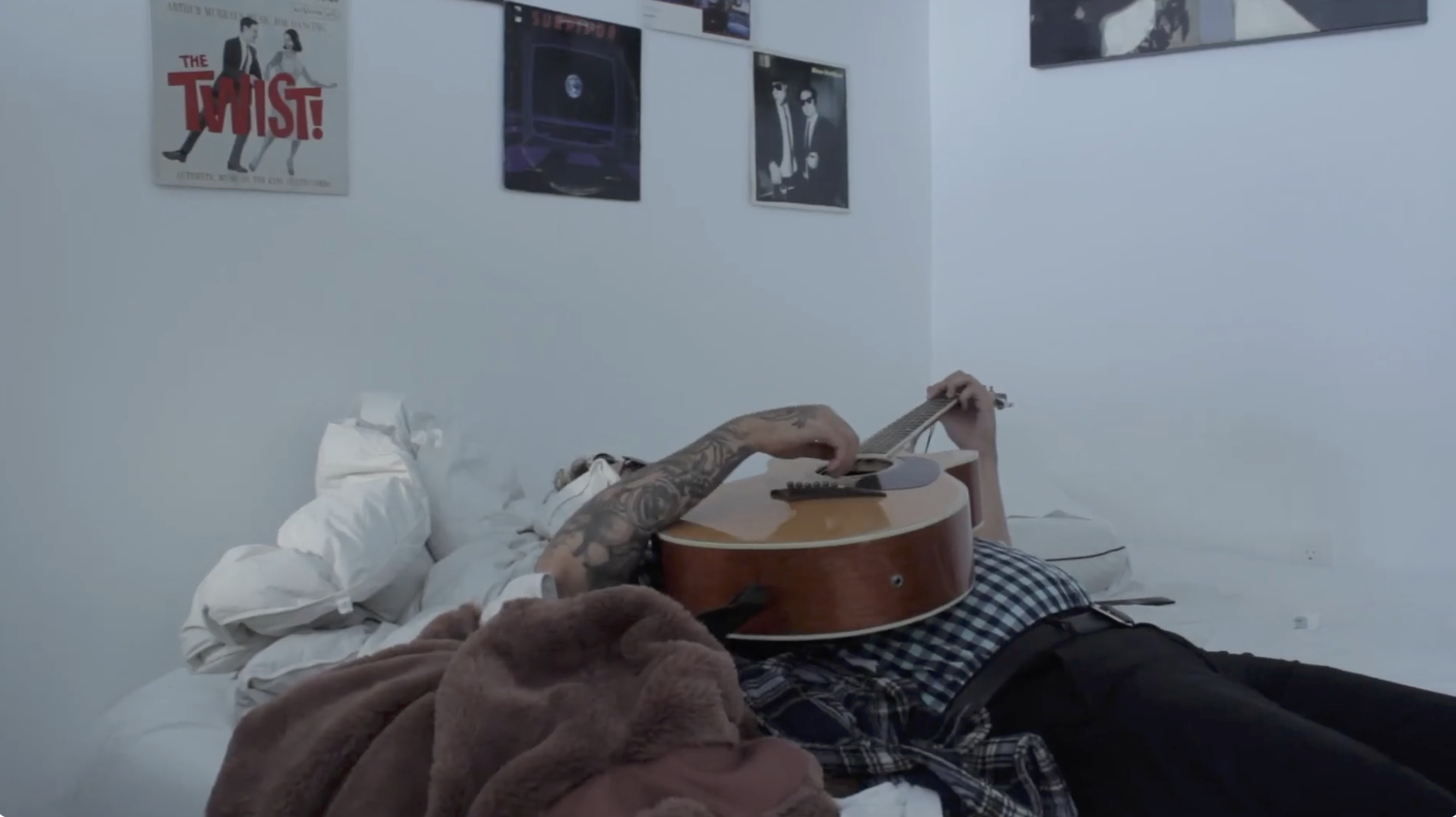
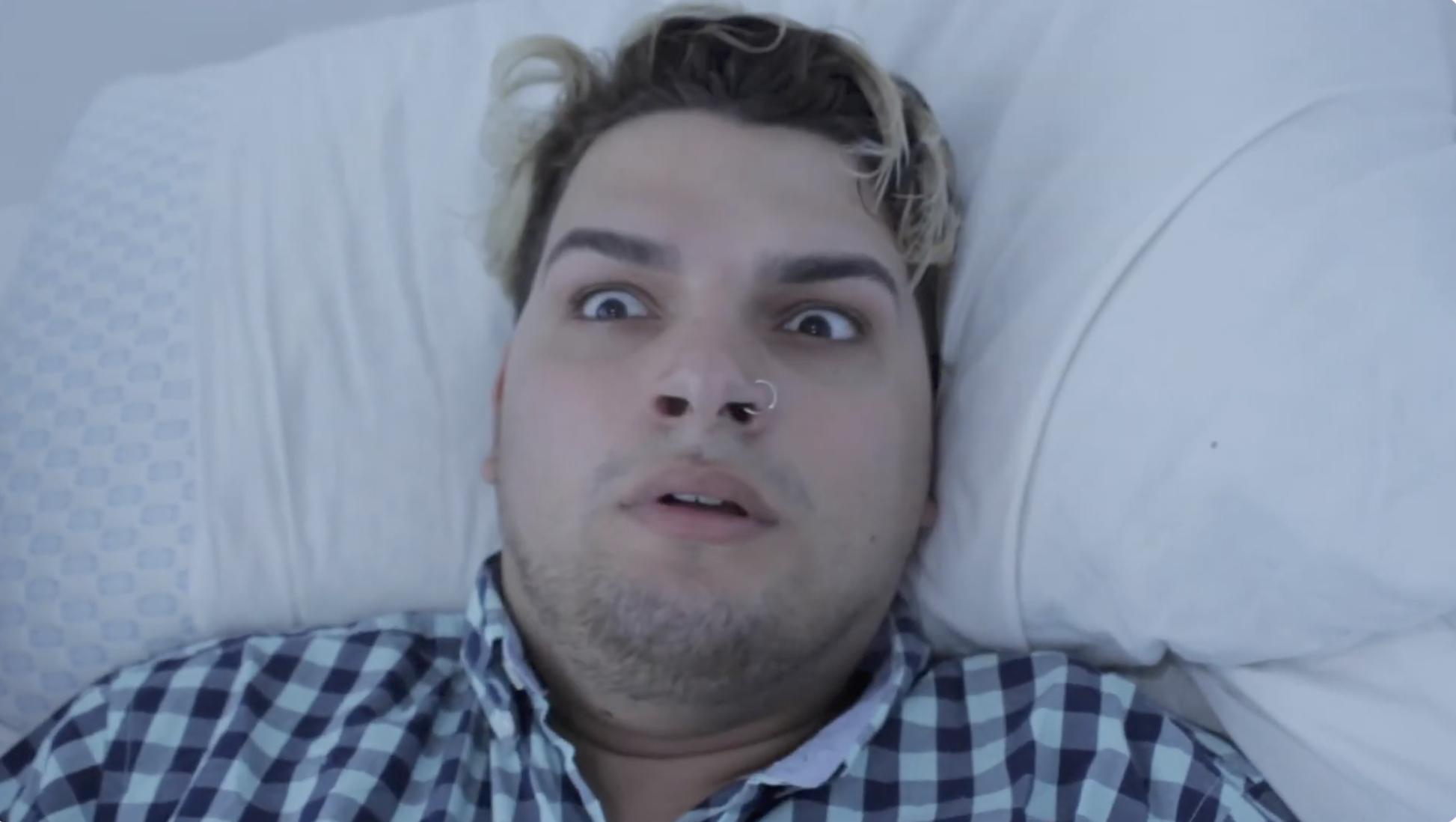
Director/Writer/Editor; Total Runtime: 2:00
A silent film about a man caught between his passion for music and the demands of remote work.
Inspired by pandemic lockdowns and the experience of communicating/working remotely through video calls.
Used a confined room and a white-and-blue palette to explore how creative passion can become a source of psychological pressure within a restricted physical space.
Tao Tao
(2021)
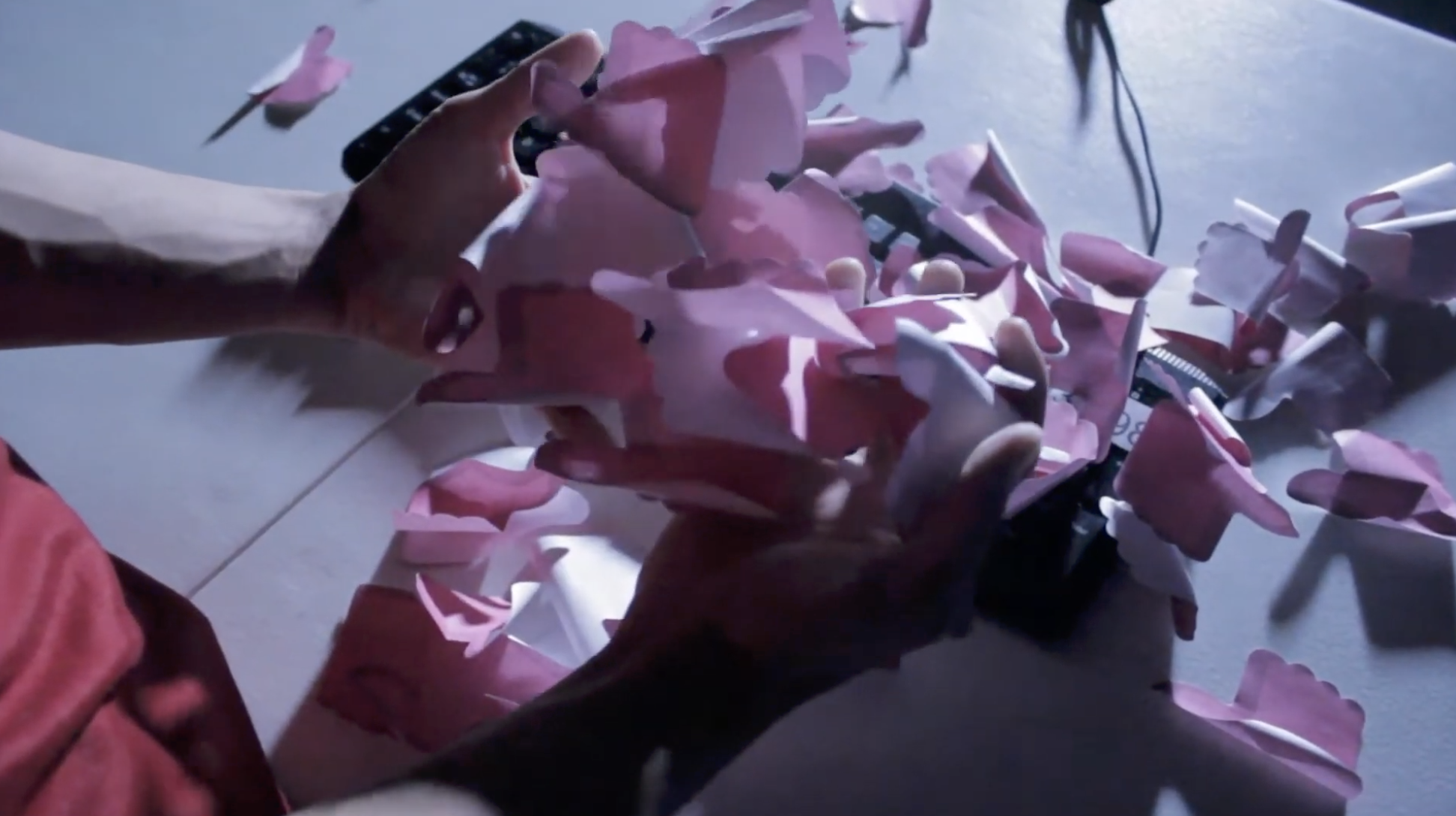
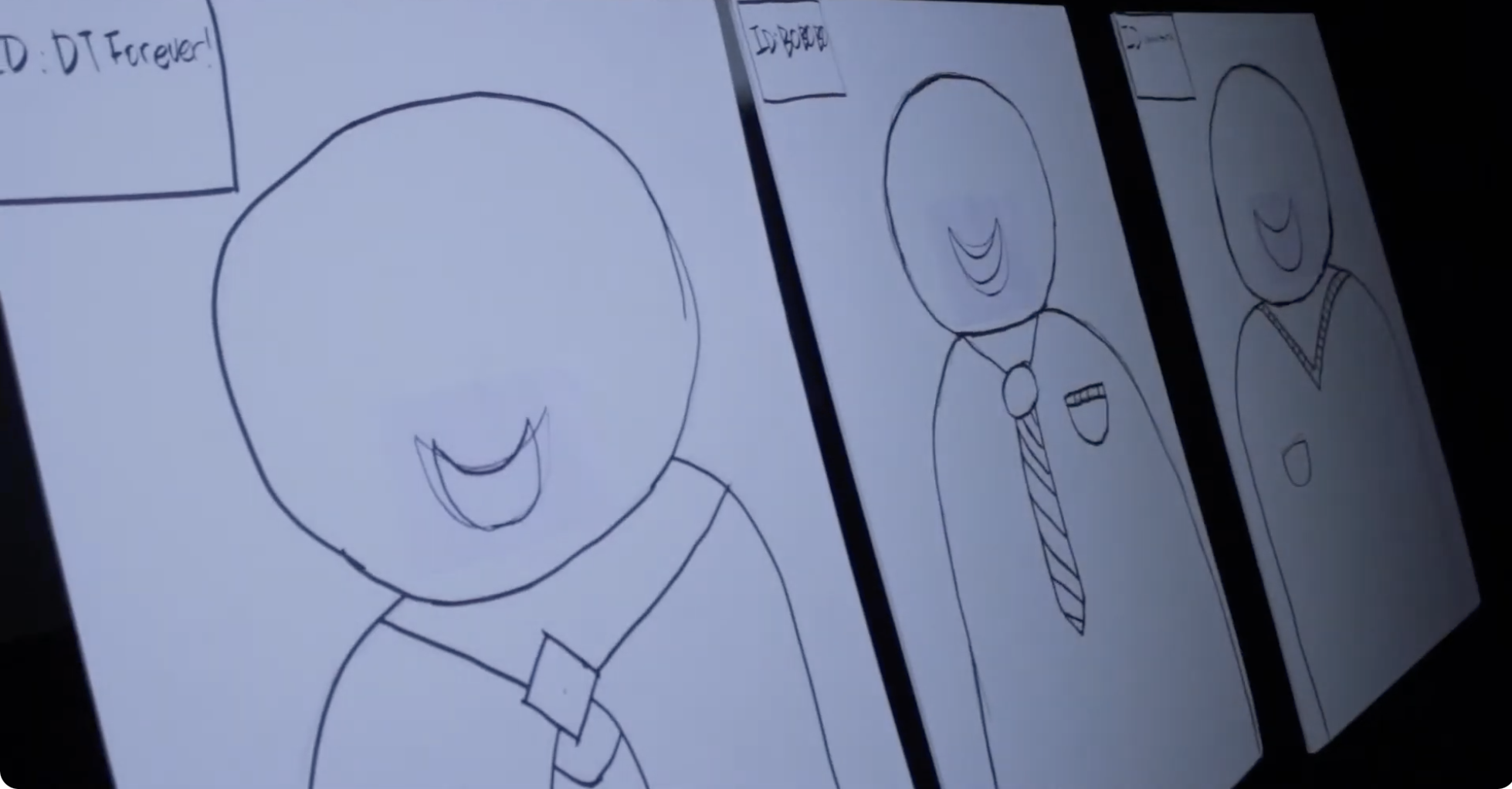
A conversation about Pineapple Pizza
(2020)
Director/Writer/Editor; Total Runtime: 5:00
A film in which two people’s disagreement over whether pineapple pizza counts as pizza escalates into an absurd fight.
The confrontation is staged in a dark, liminal space to evoke the heightened psychological reality of an online argument.
Explores how internet quarrels can descend into hostility and ultimately become meaningless.
editing works
I see editing as controlling attention. Every cut changes what the audience notices, how they read a performance, and when they receive a piece of information. At ReelShort, I applied that approach across multi-camera vertical dramas. Across nine released series, including two projects that surpassed 100 million views. That process sharpened both my narrative judgment and my understanding of storytelling for a fast-moving digital audience.
Trailer editing pushed that thinking even further. I know what the audience needs to understand immediately, what should remain unresolved, and exactly when the next image, line, or musical shift should arrive. Five of my one-minute promotional edits were selected consecutively within a six-editor team. That experience reinforced the principle that continues to guide my work: strong paci’t about cutting as quickly as possible—it is about knowing when the audience is ready for the next piece of information.